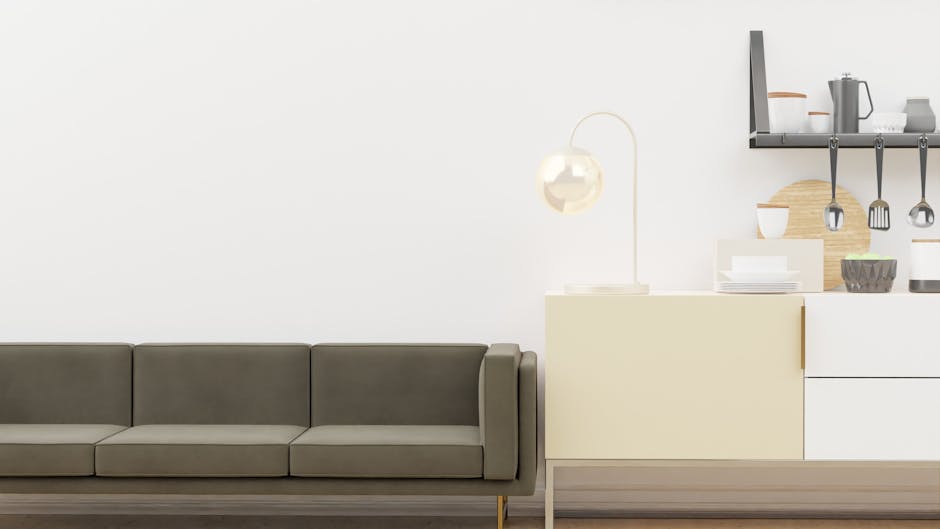
Minimalist Home Design: Less is More (and Less Expensive)
Embracing the Philosophy: Decluttering Your Life, One Room at a Time
Minimalist home design transcends mere aesthetics; it’s a lifestyle choice rooted in intentionality and simplicity. It’s about curating a space that nurtures well-being, reduces stress, and allows for genuine connection with your surroundings. The core principle revolves around owning fewer possessions and prioritizing quality over quantity. This approach, counterintuitively, can lead to a richer, more fulfilling life by freeing up time, energy, and mental space.
The Roots of Minimalism: From Art to Architecture
The minimalist movement emerged in the 1960s as a reaction against the excess and consumerism of the post-war era. In art, minimalist sculptors like Donald Judd and Sol LeWitt focused on essential forms and industrial materials. This emphasis on reduction and functionality quickly spread to architecture and design. Early minimalist architectural icons, such as Mies van der Rohe’s “less is more” philosophy, championed clean lines, open spaces, and a restrained use of materials. These principles laid the foundation for the minimalist home design aesthetic we see today.
Key Characteristics of Minimalist Interior Design:
Minimalist home design is characterized by several key features that work in harmony to create a serene and uncluttered environment:
-
Neutral Color Palette: Walls are typically painted in neutral tones such as white, gray, beige, or off-white. These colors create a sense of spaciousness and provide a blank canvas for accent pieces. Pops of color are often introduced sparingly through artwork, textiles, or plants.
-
Clean Lines and Simple Forms: Furniture and architectural elements feature clean lines and geometric shapes. Avoid ornate details or excessive ornamentation. Focus on pieces with a timeless and functional design.
-
Open and Airy Spaces: Minimalist homes prioritize open floor plans and unobstructed views. Maximize natural light by using sheer curtains or blinds and avoiding heavy window treatments. Strategically placed mirrors can also enhance the sense of space.
-
Minimal Decor: Decor is kept to a minimum and serves a purpose beyond mere aesthetics. Choose a few carefully selected pieces that hold personal significance or add visual interest. Avoid clutter and unnecessary accessories.
-
Strategic Storage Solutions: Clever storage solutions are essential for maintaining a clutter-free environment. Built-in shelving, hidden compartments, and multi-functional furniture help to keep items organized and out of sight.
-
Natural Materials: Natural materials like wood, stone, and linen are often incorporated into minimalist designs to add warmth and texture. These materials create a connection to nature and enhance the overall sense of calm.
-
Quality over Quantity: Invest in high-quality, durable furniture and decor that will last for years. Choose pieces that are well-made and designed to withstand daily use. Avoid impulse purchases and focus on acquiring items that you truly need and love.
Practical Steps to Achieving a Minimalist Home:
Transforming your home into a minimalist haven requires a deliberate and systematic approach. Here’s a step-by-step guide:
-
Decluttering is Key: Start by decluttering each room, one at a time. Be ruthless in getting rid of items you no longer need, use, or love. Donate, sell, or recycle unwanted items.
-
Define Your Needs: Before buying anything new, take stock of what you already have and identify your actual needs. Ask yourself if a particular item will truly enhance your life or simply contribute to clutter.
-
Choose Multi-Functional Furniture: Opt for furniture that serves multiple purposes. A sofa bed, a storage ottoman, or a coffee table with built-in drawers can help maximize space and minimize clutter.
-
Invest in Smart Storage: Utilize vertical space with shelving units and wall-mounted cabinets. Choose storage containers that are visually appealing and easy to access.
-
Create Designated Zones: Divide your home into functional zones for specific activities, such as cooking, working, or relaxing. This helps to organize your belongings and streamline your daily routines.
-
Curate Your Decor: Select a few key decor pieces that reflect your personal style and add visual interest to the space. Avoid overcrowding shelves or walls with unnecessary accessories.
-
Embrace Empty Space: Don’t feel the need to fill every corner of your home. Empty space allows the eye to rest and creates a sense of tranquility.
-
Maintain a Consistent Style: Choose a cohesive color palette and style for your entire home. This will create a sense of unity and harmony.
-
Be Mindful of New Purchases: Before buying anything new, ask yourself if it aligns with your minimalist values and if you truly need it. Avoid impulse purchases and focus on acquiring items that are well-made and designed to last.
-
Continuous Refinement: Minimalism is not a one-time project but an ongoing process. Regularly evaluate your belongings and declutter as needed.
Minimalism and Sustainability: A Natural Partnership
Minimalist living aligns perfectly with sustainable practices. By consuming less, you reduce your environmental impact and contribute to a more sustainable future.
-
Reduce Waste: Minimalist principles encourage you to buy less and waste less.
-
Choose Eco-Friendly Materials: Opt for furniture and decor made from sustainable materials such as bamboo, recycled wood, or organic cotton.
-
Support Ethical Brands: Support companies that are committed to ethical and sustainable manufacturing practices.
-
Buy Secondhand: Give pre-owned furniture and decor a new lease on life by shopping at thrift stores, antique shops, or online marketplaces.
-
Repair and Repurpose: Repairing and repurposing existing items can help extend their lifespan and reduce waste.
The Financial Benefits of Minimalism: Less Spending, More Savings
While the initial investment in high-quality furniture might seem substantial, minimalism can ultimately save you money in the long run.
-
Reduced Spending on Non-Essentials: By focusing on needs over wants, you’ll spend less on unnecessary items.
-
Lower Utility Bills: A clutter-free home is easier to heat and cool, resulting in lower energy consumption.
-
Less Time Spent Shopping: With fewer possessions to manage, you’ll spend less time shopping and more time on activities you enjoy.
-
Increased Savings: The money you save on consumer goods can be redirected towards investments or experiences that enrich your life.
Beyond Aesthetics: The Psychological Benefits of a Minimalist Home
The benefits of minimalist home design extend beyond aesthetics and financial savings. A clutter-free home can have a profound impact on your mental and emotional well-being.
-
Reduced Stress and Anxiety: A clean and organized environment can help reduce stress and anxiety levels.
-
Improved Focus and Concentration: A minimalist home provides a calm and distraction-free space that promotes focus and concentration.
-
Increased Productivity: A well-organized home can help you be more productive in your work and personal life.
-
Enhanced Creativity: A clutter-free environment can stimulate creativity and allow you to think more clearly.
-
Greater Sense of Calm and Peace: A minimalist home fosters a sense of calm and peace, allowing you to relax and recharge.
Challenges of Embracing Minimalism and How to Overcome Them:
Adopting a minimalist lifestyle can be challenging, especially in a culture that promotes consumerism. However, with the right mindset and strategies, you can overcome these obstacles.
-
Sentimental Attachment: Letting go of items with sentimental value can be difficult. Consider taking photos of these items or finding creative ways to repurpose them.
-
Fear of Missing Out (FOMO): The fear of missing out on the latest trends can lead to impulse purchases. Remind yourself of your minimalist goals and focus on the benefits of living with less.
-
Habitual Shopping: Breaking the habit of shopping can be challenging. Identify the triggers that lead to impulse purchases and develop strategies to avoid them.
-
Family and Friends: Your family and friends may not understand your minimalist lifestyle. Communicate your values clearly and respectfully.
-
Maintaining Minimalism: Staying committed to minimalism requires ongoing effort. Regularly evaluate your belongings and declutter as needed.
Conclusion: This information provides a foundation for implementing minimalist design principles in your home and lifestyle, creating a space that is both aesthetically pleasing and conducive to well-being. Remember that minimalism is a personal journey, so adapt these guidelines to suit your individual needs and preferences.