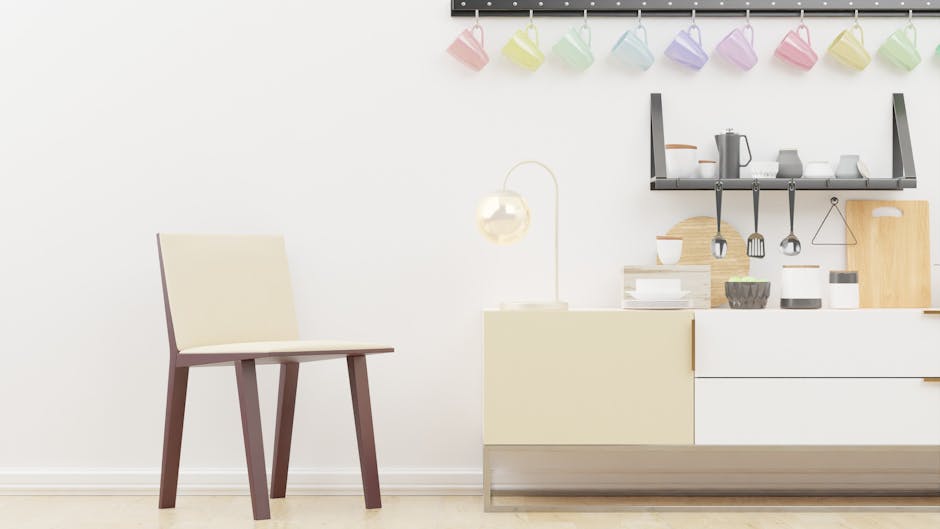
Understanding Your Needs and Style
Before even considering stepping foot in a furniture store (physical or virtual), the most crucial step in furnishing your home is a thorough self-assessment. What are your actual needs? What is your preferred aesthetic? Neglecting this stage inevitably leads to impulse purchases, regret, and ultimately, exceeding your budget.
First, analyze your lifestyle. Do you frequently entertain large groups? Then ample seating in the living room and a robust dining table are paramount. Do you work from home? A comfortable and ergonomic desk setup is a necessity, not a luxury. Do you have young children or pets? Durable, easy-to-clean fabrics and child-safe designs should be your priority. Consider the frequency of use for each piece of furniture. A guest bedroom might only require basic, budget-friendly furnishings, while your master bedroom demands higher quality and comfort.
Next, define your personal style. Are you drawn to the clean lines of modern design, the warmth of rustic farmhouse, or the eclectic charm of bohemian? Browse interior design websites, magazines, and social media platforms like Pinterest and Instagram to gather inspiration. Create a mood board (digital or physical) with images of furniture, color palettes, and textures that resonate with you. Identifying your style prevents you from being swayed by trends and helps you make cohesive and enduring choices. Consider the existing architectural style of your home. Matching the furniture style to the architectural style creates a harmonious and visually appealing environment. For example, minimalist furniture might complement a modern condo, while antique pieces would enhance a Victorian house.
Budgeting and Financial Planning
Establishing a realistic budget is the cornerstone of avoiding overspending. Allocate a specific amount for each room or furniture category based on your needs and priorities. Start by calculating your overall spending limit, taking into account your income, expenses, and savings goals. Then, break down this overall budget into smaller chunks. For example, you might allocate 40% to the living room, 30% to the bedroom, 20% to the dining room, and 10% for miscellaneous items like lamps and rugs.
Research the average cost of different types of furniture within your desired style and quality range. Online furniture retailers, comparison websites, and even local stores can provide valuable price estimates. Don’t forget to factor in additional costs like delivery fees, assembly charges, and sales tax. Leaving a buffer of 10-15% for unexpected expenses is also a smart move.
Explore financing options carefully. Avoid high-interest credit cards or store credit cards with unfavorable terms. Consider a personal loan or a home equity loan if you need to borrow money, but only do so if you are confident in your ability to repay the loan on time. Look for furniture stores that offer 0% financing or low-interest payment plans. Read the fine print and understand all the terms and conditions before committing to any financing agreement.
Sourcing Strategies and Smart Shopping
Once you have a clear understanding of your needs, style, and budget, you can begin the shopping process. Explore a variety of sourcing options to find the best deals and maximize your purchasing power.
- Online Retailers: Offer a vast selection of furniture at competitive prices. Compare prices across different websites and take advantage of online sales and promotions. Read customer reviews carefully before making a purchase to assess the quality and reliability of the furniture. Pay close attention to shipping costs and return policies.
- Local Furniture Stores: Provide the opportunity to see and touch furniture in person, allowing you to assess its quality and comfort firsthand. Negotiate prices with salespeople and take advantage of in-store sales and promotions. Support local businesses and build relationships with furniture professionals.
- Consignment Shops and Thrift Stores: Offer a treasure trove of unique and affordable furniture pieces. Inspect the furniture carefully for signs of damage or wear and tear. Consider reupholstering or refinishing vintage furniture to give it a fresh new look.
- Estate Sales and Auctions: Can yield incredible bargains on high-quality furniture. Attend estate sales and auctions early to get the best selection. Be prepared to bid against other buyers and set a maximum price you are willing to pay.
- Outlet Stores: Offer discounted furniture from major brands. Check for minor imperfections or discontinued items. Outlet stores can be a great place to find high-quality furniture at significantly reduced prices.
- DIY and Upcycling: Repurpose old furniture or create your own custom pieces. Save money by using salvaged materials and your own creativity. Upcycling furniture can be a rewarding and environmentally friendly way to furnish your home.
Quality vs. Cost: Finding the Right Balance
Striking a balance between quality and cost is essential for long-term satisfaction. While it’s tempting to opt for the cheapest option, furniture that falls apart within a year will ultimately cost you more in the long run. Invest in high-quality pieces for frequently used items like sofas, beds, and dining tables. These items should be durable, comfortable, and able to withstand daily wear and tear.
Look for furniture made from solid wood, durable fabrics, and sturdy hardware. Avoid furniture made from particleboard or flimsy materials. Read product specifications carefully and pay attention to weight limits and warranty information.
For less frequently used items like accent chairs, side tables, or decorative pieces, you can often save money by opting for less expensive options. These items can be easily replaced if they wear out or if your style changes.
Prioritize your spending based on your needs and lifestyle. Invest in high-quality mattresses and comfortable seating if you value sleep and relaxation. Focus on durability and functionality for furniture that will be subjected to heavy use.
Negotiation and Timing: Mastering the Art of the Deal
Mastering the art of negotiation and timing can significantly reduce your furniture costs. Don’t be afraid to negotiate prices with salespeople, especially at local furniture stores. Research the market value of the furniture you are interested in and use that information to your advantage.
Shop for furniture during seasonal sales and promotions, such as Black Friday, Memorial Day, and Labor Day. Retailers often offer significant discounts during these periods. Sign up for email newsletters and follow furniture stores on social media to stay informed about upcoming sales and promotions.
Consider purchasing floor models or discontinued items. These items are often heavily discounted and can be a great way to save money on high-quality furniture. Inspect floor models carefully for signs of damage or wear and tear.
Be patient and don’t rush into a purchase. Take your time to research your options and compare prices. Waiting for the right sale or promotion can save you a significant amount of money.
Avoiding Common Mistakes
Several common mistakes can lead to overspending and dissatisfaction. Avoid these pitfalls by planning carefully and making informed decisions.
- Impulse Buying: Resist the urge to buy furniture on impulse. Take your time to consider your needs, style, and budget before making a purchase.
- Ignoring Measurements: Measure your rooms carefully before shopping for furniture. Ensure that the furniture you choose will fit comfortably in your space and allow for adequate traffic flow.
- Sacrificing Quality: Don’t sacrifice quality for price. Invest in durable and well-made furniture that will last for years.
- Ignoring Comfort: Choose furniture that is comfortable and functional. Test out sofas, chairs, and beds before making a purchase.
- Forgetting Accessories: Remember to budget for accessories like lamps, rugs, and artwork. These items can add personality and style to your home.
- Falling for Trends: Avoid trendy furniture that will quickly go out of style. Choose classic and timeless pieces that you will enjoy for years to come.
By following these strategies and avoiding common mistakes, you can furnish your home beautifully without breaking the bank. Remember to prioritize your needs, define your style, and shop smart to create a comfortable and stylish living space that reflects your personality and values.