
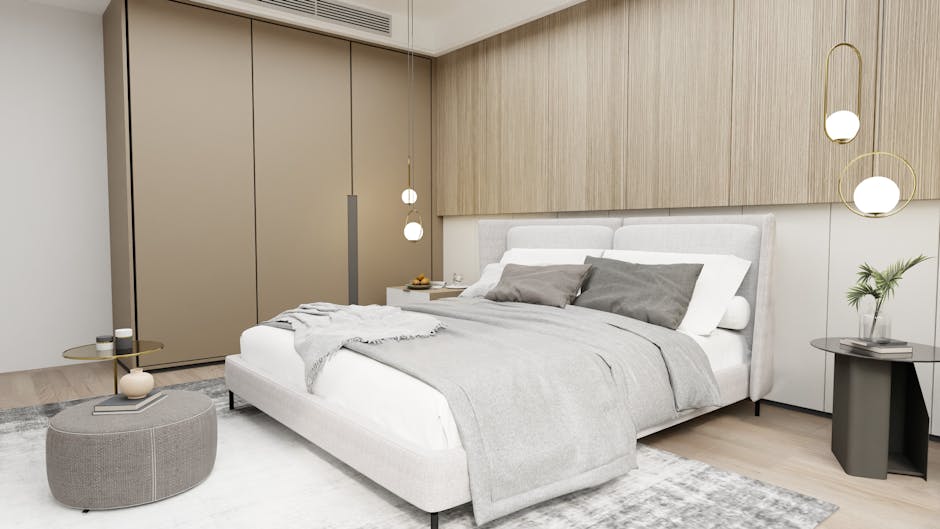
Trendy Home Color Schemes 2025: Look Expensive
I. The Core Principles of “Looking Expensive” Through Color
The perception of luxury within a home is often intricately linked to its color palette. More than just aesthetics, strategically chosen colors can evoke feelings of sophistication, spaciousness, and high-end design. Achieving this “expensive” look isn’t about ostentatious displays but rather about carefully curated hues that harmonize and elevate the overall ambiance. The foundational principles revolve around:
- Restraint: Less is often more. Overly busy or excessively vibrant color schemes can feel chaotic and undermine the desired effect.
- Balance: A thoughtful balance between warm and cool tones, light and dark shades, is critical. It prevents the space from feeling one-dimensional or unbalanced.
- Texture Enhancement: Colors should complement and highlight existing textures within the room. A deep, matte wall color can accentuate the richness of velvet furniture, for example.
- Light Play: Consider how natural and artificial light interact with the chosen colors. A color may appear different under varying lighting conditions.
- Timelessness: While trends are important, selecting colors with enduring appeal ensures longevity and avoids the need for constant redecorating. This contributes to a sense of lasting value.
II. The Return of Earth Tones with a Refined Edge
Expect to see a resurgence of earth tones in 2025, but with a sophisticated twist. Gone are the overly rustic and heavily textured iterations. Instead, think of:
- Mushroom Greige: A blend of gray and beige, resembling the subtle hues of mushrooms. This versatile neutral acts as a sophisticated backdrop for bolder accents. Its undertones are complex, offering warmth without being overtly yellow. Pair it with crisp white trim and natural wood accents for a calming and luxurious feel. Consider variations from light oyster mushroom to deeper portobello for different room sizes and lighting.
- Terracotta Rose: A muted, dusty rose with terracotta undertones. This color adds warmth and sophistication without being overly feminine. It complements natural materials like leather, wood, and woven textiles beautifully. Use it as an accent wall color or for soft furnishings to create a welcoming and inviting atmosphere. Look for variations with hints of peach or salmon for added complexity.
- Olive Drab with Gold Accents: A sophisticated take on the traditional olive green. This shade offers a sense of grounded elegance, particularly when paired with metallic accents like gold or brass. It works well in both modern and traditional settings. Consider using it in a study or living room to create a sense of calm and intellectual sophistication. Use varying shades of olive, from muted to more vibrant, to add dimension.
- Deep Taupe: Taupe is experiencing a revival, particularly in its darker and richer iterations. Deep taupe provides a sense of grounding and luxury. It pairs well with lighter neutrals and can create a striking contrast with pops of jewel tones. Consider using it in bedrooms or dining rooms for a sense of intimacy and warmth. Explore textures, such as velvet or linen, to enhance its visual depth.
III. Jewel Tones Reimagined: Subtlety is Key
Jewel tones are still relevant, but the approach is evolving. Instead of bold, all-over applications, the focus shifts to using them as accents to add depth and richness:
- Emerald Green Accents: Introduce emerald green through velvet cushions, artwork, or a statement chair. Pair it with neutral walls and metallic accents to create a sense of drama and sophistication. Avoid using emerald green on large surfaces, as it can be overpowering. Look for variations with subtle blue undertones for a more modern feel.
- Sapphire Blue Details: Opt for sapphire blue in smaller details like lampshades, decorative objects, or a rug. This deep, rich blue adds a touch of opulence without being overwhelming. It complements natural wood tones and metallic finishes beautifully. Consider using it in a living room or bedroom to create a sense of calm and sophistication.
- Amethyst Purple Touches: Use amethyst purple sparingly, perhaps in a vase, a throw blanket, or a piece of artwork. This color adds a touch of mystery and luxury to a space. It pairs well with gray, white, and black. Avoid using it in large quantities, as it can be visually heavy. Look for variations with subtle gray undertones for a more sophisticated feel.
- Smoky Quartz: A nuanced departure from brighter jewel tones, Smoky Quartz presents a muted, earthy take on the gemstone palette. Think of it as a sophisticated neutral with brown-gray depth, imbuing spaces with a feeling of grounded luxury. Perfect for feature walls or plush upholstery.
IV. The Power of Neutrals: Layering and Texture
Neutrals remain a cornerstone of “expensive” looking interiors. The key is to move beyond basic beige and explore the nuances of layering and texture:
- Warm White with Textured Finishes: Instead of stark white, opt for a warm white with subtle undertones of cream or ivory. Incorporate textured finishes like linen, wool, and natural stone to add depth and interest. This creates a space that is both inviting and sophisticated. Consider using different shades of warm white to create subtle variations in different areas of the room.
- Greige with Matte Walls and Glossy Trim: Greige, a blend of gray and beige, is a versatile neutral that works well in a variety of spaces. Pair matte greige walls with glossy white trim to create a subtle contrast and add visual interest. This combination is both modern and timeless. Consider using different shades of greige to create a sense of depth and dimension.
- Charcoal Gray as a Statement: Charcoal gray can be a powerful statement color when used strategically. Use it on an accent wall or for upholstered furniture to create a sense of drama and sophistication. Pair it with lighter neutrals and metallic accents to balance the darkness. Consider using it in a living room or bedroom to create a sense of intimacy and luxury.
- Layered Neutrals: The key to a successful neutral palette is layering different shades and textures. Combine warm whites, greiges, and grays with natural materials like wood, linen, and leather to create a space that is both sophisticated and inviting. Think of using shades that are just slightly off from each other to create depth without stark contrast.
V. Material Palette Considerations:
The “expensive” look relies heavily on the materials used in conjunction with the color palette. In 2025, focus on:
- Natural Stone: Marble, granite, and limestone add a sense of timeless luxury.
- High-Quality Wood: Solid wood furniture and flooring provide warmth and sophistication.
- Luxurious Textiles: Velvet, silk, and linen add texture and richness.
- Metallic Accents: Gold, brass, and copper add a touch of glamour.
- Glass and Mirror: Strategically placed mirrors and glass surfaces enhance light and create a sense of spaciousness.
VI. Lighting Design is Key:
No color scheme can truly shine without proper lighting. Consider:
- Layered Lighting: Combine ambient, task, and accent lighting to create a balanced and well-lit space.
- Warm Light Bulbs: Opt for warm light bulbs (2700K-3000K) to create a cozy and inviting atmosphere.
- Statement Lighting Fixtures: A beautiful chandelier or pendant light can add a touch of elegance.
- Dimmer Switches: Allow you to adjust the lighting to suit different moods and activities.
- Natural Light Maximization: Employ light-filtering window treatments to make the most of natural light.
VII. Architectural Details:
Colors enhance architectural details. Consider how these details interact with your color scheme:
- Crown Molding: Painting crown molding a contrasting color can accentuate its detail.
- Paneling: Wainscoting or wall paneling adds texture and dimension.
- Fireplace Mantels: Use color to highlight the fireplace as a focal point.
- Window Trim: Painting window trim a different color can frame the view.
- Door Frames: Similar to windows, emphasize door frames for a more defined space.
By thoughtfully combining these color palettes with the right materials, lighting, and architectural details, you can create a home that exudes sophistication and timeless elegance in 2025. This approach to design will result in spaces that feel carefully curated and luxurious, even on a reasonable budget.