
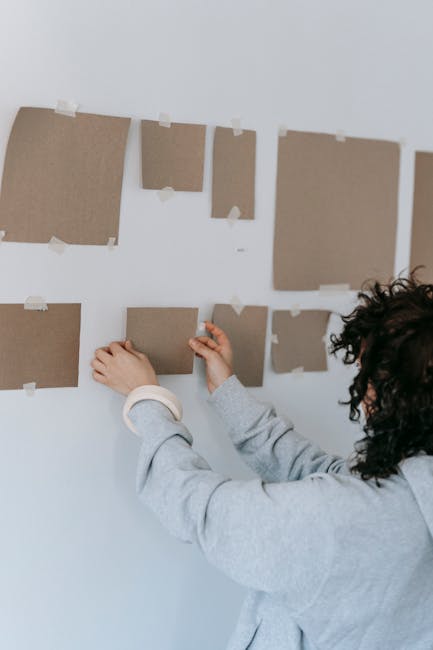
DIY Photo Frames: Showcase Memories with Custom Frames
Material Matters: Selecting the Perfect Base for Your Frame
The foundation of any great DIY photo frame is the material you choose. The selection process goes beyond aesthetics; it influences durability, ease of manipulation, and the overall vibe of the finished product.
-
Wood: The quintessential choice for its versatility. Pine is affordable and readily available, perfect for painting or staining. Hardwoods like oak or maple offer greater durability and a richer aesthetic, ideal for more formal displays. Reclaimed wood adds character and a rustic feel, aligning with sustainable practices. Consider the grain and texture of the wood, as it will contribute to the frame’s visual appeal. Ensure the wood is kiln-dried to prevent warping or cracking.
-
Cardboard: A budget-friendly and eco-conscious option. Sturdy cardboard, such as that from shipping boxes, can be layered and glued together to create a surprisingly robust frame. Its lightweight nature makes it ideal for hanging delicate prints or children’s artwork. Cardboard lends itself well to decoupage, painting, and embellishment with fabric scraps or paper.
-
Foam Board: Similar to cardboard but with a smoother surface, foam board is incredibly easy to cut and shape. It’s lightweight and suitable for smaller photos or lightweight prints. Foam board is particularly well-suited to geometric or modern frame designs. However, it’s less durable than wood and prone to dents, so handle it with care.
-
Plastic: Plastic frames can be crafted from recycled materials or purchased as sheets. They offer a waterproof option, making them suitable for displaying photos in humid environments like bathrooms. Plastic can be molded into intricate shapes and painted with acrylic paints. However, consider the environmental impact of using plastic and opt for recycled options when possible.
-
Metal: For a more industrial or modern aesthetic, metal can be used. Aluminum is lightweight and easy to work with, while steel provides greater strength and a more substantial feel. Metal frames require specialized tools for cutting and joining, making them a more challenging project for beginners. However, the resulting frames offer a sleek and durable display solution.
Cutting and Shaping: Achieving Precise Frame Dimensions
Accuracy in cutting and shaping is crucial for a professional-looking frame. Invest in the right tools and techniques for your chosen material.
-
Wood Cutting: A miter saw provides the most precise angle cuts for creating perfectly joined corners. A hand saw can be used for smaller projects, but requires more skill and accuracy. Always use a measuring tape and square to ensure accurate dimensions. Sand the cut edges to remove splinters and create a smooth surface for finishing.
-
Cardboard and Foam Board Cutting: A sharp utility knife or craft knife is essential for cutting cardboard and foam board. Use a metal ruler as a guide to ensure straight lines. Cut in multiple passes to avoid tearing the material. For curved shapes, use a compass and craft knife.
-
Plastic Cutting: A scoring knife or rotary cutter is ideal for cutting plastic sheets. Score the plastic several times along the desired cut line before snapping it along the score. Alternatively, a jigsaw with a fine-toothed blade can be used.
-
Metal Cutting: A metal saw or angle grinder with a cutting wheel is required for cutting metal. Wear safety goggles and gloves to protect yourself from flying sparks and debris. Deburr the cut edges with a file to remove sharp edges.
Joining Techniques: Assembling a Sturdy Frame
The method used to join the frame pieces together significantly impacts its structural integrity and visual appeal.
-
Wood Joining: Wood glue is the standard adhesive for wood frames. Apply glue to the mitered edges and clamp the frame together until the glue dries completely. For added strength, use brad nails or screws to reinforce the joints. Corner clamps are invaluable for ensuring accurate alignment.
-
Cardboard and Foam Board Joining: Hot glue or craft glue can be used to join cardboard and foam board pieces. Reinforce the joints with tape or fabric strips for added durability. Ensure the glue is fully dry before applying any weight to the frame.
-
Plastic Joining: Plastic adhesives, such as epoxy or cyanoacrylate (super glue), are required for bonding plastic pieces. Follow the manufacturer’s instructions carefully. For larger frames, consider using screws or rivets to reinforce the joints.
-
Metal Joining: Welding or soldering is the strongest method for joining metal pieces. However, these techniques require specialized equipment and skills. Alternatively, use metal epoxy or screws to fasten the frame together.
Finishing Touches: Enhancing the Aesthetic Appeal
The finishing stage is where you can truly personalize your DIY photo frame.
-
Painting: Acrylic paints are versatile and suitable for most frame materials. Prime the frame first to create a smooth surface for the paint to adhere to. Apply multiple thin coats of paint, allowing each coat to dry completely before applying the next. Consider using stencils or freehand painting to add decorative details.
-
Staining: Wood stains enhance the natural grain of the wood, creating a rich and warm aesthetic. Apply the stain evenly with a brush or cloth, and wipe off the excess. Seal the stain with a varnish or polyurethane to protect it from scratches and moisture.
-
Decoupage: Decoupage involves adhering paper or fabric cutouts to the frame using glue. This technique allows for endless customization possibilities. Seal the decoupaged surface with several coats of varnish to protect it and create a smooth finish.
-
Embellishments: Add beads, buttons, shells, or other decorative elements to personalize your frame. Hot glue is a versatile adhesive for attaching embellishments. Consider the overall aesthetic of the frame when selecting embellishments.
Adding a Backing and Hanging Mechanism
A sturdy backing and secure hanging mechanism are essential for displaying your photos safely and securely.
-
Backing: Cut a piece of cardboard, foam board, or wood to fit snugly inside the frame. Attach the backing using glue or brad nails.
-
Hanging Mechanism: D-rings and picture wire are a common choice for hanging frames. Screw the D-rings into the back of the frame and attach the picture wire between them. Alternatively, use sawtooth hangers or adhesive hanging strips. Consider the weight of the frame when selecting a hanging mechanism.
Design Inspiration: Unleashing Your Creative Potential
Explore various design ideas to spark your creativity and create truly unique photo frames.
-
Rustic Frames: Use reclaimed wood and natural textures to create a rustic frame. Incorporate elements like rope, burlap, or dried flowers.
-
Modern Frames: Opt for clean lines and geometric shapes. Use metallic paints or minimalist embellishments.
-
Shabby Chic Frames: Create a distressed look by sanding down painted frames and adding vintage-inspired embellishments.
-
Themed Frames: Design frames around specific themes, such as travel, nature, or holidays.
-
Collage Frames: Create a frame that holds multiple photos, arranged in a creative collage.
By mastering these techniques and exploring different design ideas, you can create stunning DIY photo frames that showcase your cherished memories in a personalized and meaningful way. The process is not only cost-effective but also a rewarding creative endeavor.