
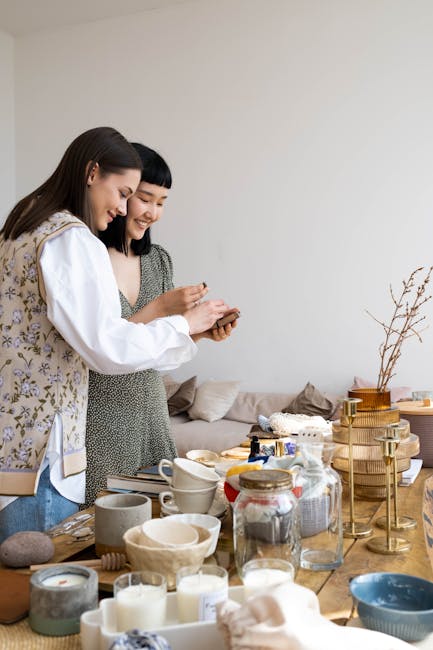
Home Organization DIY: Declutter and Style Your Space
The Art of Decluttering: A Foundational Skill
Decluttering is the bedrock of effective home organization. Without it, any styling or aesthetic improvements will merely mask underlying chaos. Embrace a ruthless, yet mindful, approach. Begin by designating a dedicated decluttering station – a table, corner, or even a large sheet – where you can sort items. Equip yourself with three boxes or bags labeled: “Keep,” “Donate/Sell,” and “Trash.” Be honest with yourself about each item’s value and utility in your life.
The Four-Box Method: A Practical Decluttering System
The Four-Box Method offers a structured framework for navigating the emotional complexities of decluttering. Start with a specific area, like a closet or drawer. Evaluate each item based on these categories:
-
Keep: Items you use regularly, love, and that serve a clear purpose. Be realistic; avoid keeping things “just in case” if you haven’t used them in a year. Ask yourself: Does this item bring me joy? Is it essential?
-
Donate/Sell: Items in good condition that you no longer need or want. Consider donating to local charities, thrift stores, or shelters. Explore online marketplaces like Facebook Marketplace, Craigslist, or Poshmark for selling higher-value items.
-
Relocate: Items that belong in a different area of your home. This addresses misplaced items and prevents clutter accumulation. Designate a central “Relocate” box for easy redistribution.
-
Trash: Items that are broken, unusable, or have no value to anyone. Dispose of these responsibly. Recycle when possible.
Confronting Sentimental Clutter:
Sentimental items often pose the greatest challenge. Apply these strategies:
- Photographic Documentation: Take high-quality photos of sentimental items before letting them go. Create a digital album or scrapbook to preserve the memories without the physical clutter.
- Create Memory Boxes: Limit sentimental items to a designated memory box. Only include the most meaningful objects.
- Transform Memories: Repurpose sentimental items into functional objects. For example, turn old t-shirts into a quilt or create a shadow box display.
- One-In, One-Out Rule: For every new sentimental item you acquire, let go of an existing one. This prevents sentimental clutter from overwhelming your space.
Room-by-Room Decluttering Strategies:
- Kitchen: Purge expired food, duplicate utensils, and appliances you rarely use. Organize cookware by frequency of use.
- Bedroom: Declutter clothing, accessories, and under-bed storage. Donate or sell items that no longer fit or reflect your current style. Focus on creating a relaxing and clutter-free sanctuary.
- Bathroom: Toss expired toiletries, makeup, and medications. Organize toiletries by category in drawers, shelves, or under-sink storage.
- Living Room: Declutter books, magazines, DVDs, and decorative items. Keep only items that you truly love and that contribute to a relaxing atmosphere.
- Home Office: Shred old documents, organize files, and declutter desk space. Invest in organizers for pens, paperclips, and other office supplies.
DIY Storage Solutions: Maximizing Space and Style
Once decluttered, focus on implementing smart storage solutions. DIY projects offer budget-friendly and personalized options.
- Floating Shelves: Install floating shelves to create vertical storage in any room. Use them to display books, plants, or decorative items. Consider using reclaimed wood for a rustic aesthetic.
- Under-Bed Storage Containers: Utilize under-bed space for storing off-season clothing, bedding, or shoes. Choose clear containers for easy visibility.
- DIY Drawer Dividers: Create custom drawer dividers using cardboard, foam board, or scrap wood to organize clothing, utensils, or office supplies.
- Repurposed Furniture: Transform old furniture into new storage solutions. For example, an old ladder can become a towel rack in the bathroom or a blanket ladder in the living room.
- Pegboard Organizers: Install pegboards in the kitchen, garage, or office to hang tools, utensils, or supplies. Customize the layout to suit your needs.
- Upcycled Jars and Containers: Reuse glass jars and containers for storing pantry staples, craft supplies, or beauty products. Decorate them with paint, labels, or fabric scraps.
- DIY Baskets: Weave baskets from rope, yarn, or fabric scraps to create stylish storage for blankets, toys, or magazines.
Styling Your Space: Enhancing Aesthetics and Functionality
Styling is the final layer of home organization, transforming a functional space into a personalized and inviting one.
- Color Coordination: Choose a cohesive color palette for each room. Use color to create visual harmony and define different zones.
- Layering Textures: Incorporate a variety of textures to add depth and interest to your space. Use rugs, pillows, throws, and artwork to create a cozy and inviting atmosphere.
- Strategic Lighting: Optimize lighting to enhance mood and functionality. Use a combination of natural light, ambient lighting, and task lighting.
- Greenery and Plants: Incorporate plants to add life, color, and freshness to your space. Choose plants that are low-maintenance and suitable for your lighting conditions.
- Artwork and Decor: Display artwork and decorative items that reflect your personal style and interests. Create gallery walls, display sculptures, or arrange decorative objects on shelves and tables.
- Personalization: Add personal touches that make your home feel unique and inviting. Display family photos, souvenirs, or handmade items.
- Functional Decor: Choose decor items that are both aesthetically pleasing and functional. For example, a stylish storage basket can also serve as a decorative element.
Maintaining Your Organized Space: Building Sustainable Habits
Maintaining an organized home requires consistent effort and the development of sustainable habits.
- The 15-Minute Rule: Dedicate 15 minutes each day to tidying up and decluttering. This prevents clutter from accumulating and keeps your space organized.
- Put Things Away Immediately: Develop the habit of putting things away immediately after using them. This prevents clutter from piling up and makes it easier to find things.
- One-In, One-Out Rule: For every new item you bring into your home, let go of an existing one. This prevents clutter from accumulating and keeps your space from becoming overcrowded.
- Regular Decluttering Sessions: Schedule regular decluttering sessions to purge items that you no longer need or want. This helps maintain a clutter-free environment.
- Organize as You Go: Incorporate organization into your daily routine. For example, organize your desk before leaving work or tidy up the kitchen after cooking.
- Enlist Family Support: Encourage family members to participate in the organization process. Delegate tasks and create a shared responsibility for maintaining a tidy home.
- Reward Yourself: Celebrate your organization achievements with small rewards. This helps you stay motivated and makes the process more enjoyable.
By implementing these decluttering, storage, and styling strategies, you can transform your home into a functional, aesthetically pleasing, and organized sanctuary. Remember that the process is ongoing and requires consistent effort, but the rewards are well worth the investment.