
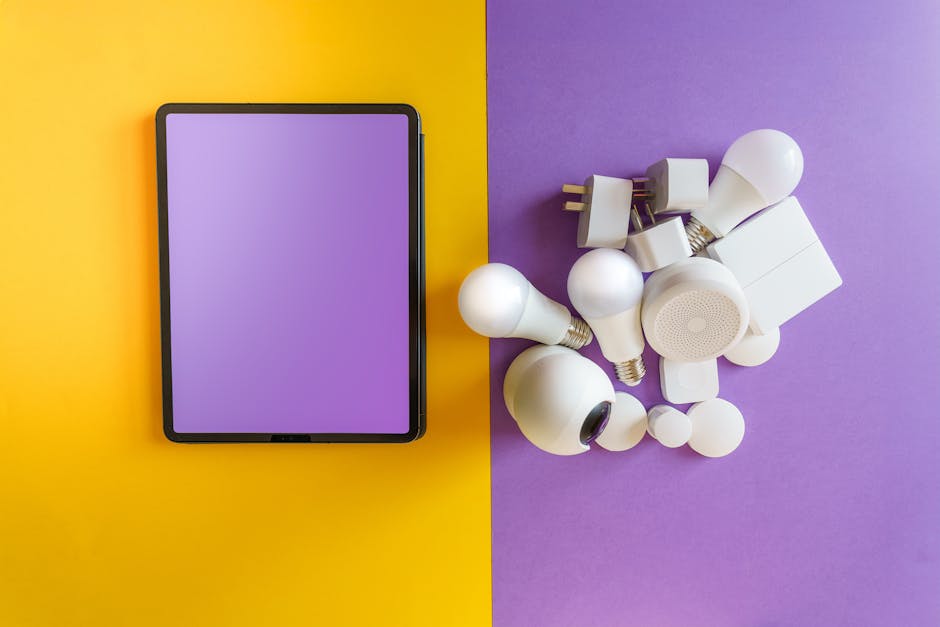
Best Smart Home Devices 2025: Top Picks
The smart home landscape is in constant flux, and 2025 promises to be a year of significant advancements and wider adoption. Predictive technologies, enhanced AI integration, and seamless interoperability are defining the next generation of smart devices. This guide delves into the top picks for transforming your home into an intelligent, connected ecosystem.
Smart Speakers & Hubs: The Brains of the Operation
-
Amazon Echo (6th Generation): Beyond just voice control, the 6th Generation Echo is rumored to boast enhanced local processing capabilities, reducing reliance on the cloud for common tasks. Expect improved Matter support, a more powerful processor for quicker responses, and advanced noise cancellation for clearer communication in noisy environments. Integration with Amazon Sidewalk will likely be further expanded, allowing it to act as a bridge for low-bandwidth IoT devices in your neighborhood. Crucially, expect enhanced privacy features, allowing for more granular control over data collection and usage.
-
Google Nest Hub Max (2nd Generation): The Nest Hub Max successor is poised to redefine the smart display experience. Leaks suggest improved camera capabilities, including AI-powered presence detection that can automatically adjust settings based on who’s in the room. Its ability to understand nuanced voice commands is expected to drastically improve, making interaction more natural. Look for deeper integration with Google Workspace, making it a powerful hub for productivity and communication within the home. Furthermore, expect better integration with other smart home platforms beyond Nest, fostering a more open and versatile ecosystem.
-
Apple HomePod (3rd Generation): Apple is reportedly doubling down on its smart home ambitions with a revamped HomePod. Rumors suggest a significantly more powerful processor, enabling enhanced audio quality and more advanced AI capabilities. Expect deeper integration with Apple services like iCloud and Apple Music, as well as improvements to Siri’s contextual awareness. Furthermore, the HomePod is likely to serve as a more robust Matter hub, seamlessly connecting devices across different ecosystems. A key focus will likely be on privacy, with features designed to protect user data and control over personal information.
Smart Lighting: Setting the Mood and Saving Energy
-
Philips Hue Gradient Tube: Building upon the popular Gradient Lightstrip, the Gradient Tube offers a sleek, modern way to add ambient lighting to any room. Its cylindrical design allows for 360-degree color gradients, creating immersive lighting effects. The tube is likely to feature improved color accuracy and brightness compared to previous Hue offerings. Deeper integration with entertainment services, such as synchronized lighting for movies and games, is also anticipated. Moreover, expect even more granular control over individual LED zones, allowing for highly customized lighting scenes.
-
LIFX Clean: This innovative smart bulb not only provides tunable white and color lighting but also incorporates UV-C sanitization technology. Controlled via the LIFX app, Clean can disinfect surfaces while illuminating the room, offering a practical solution for maintaining a healthy home environment. Expect improvements to the sanitization cycle, ensuring safe and effective disinfection without damaging materials. Further integration with air quality sensors could trigger the sanitization mode automatically when pollutants are detected.
-
Nanoleaf Shapes Ultra: Taking modular lighting to the next level, Nanoleaf Shapes Ultra features customizable panels with enhanced brightness and improved color rendering. Expect a more intuitive connection system and deeper integration with music and gaming. The integration with Matter is crucial, enabling interoperability with a wider range of smart home ecosystems. The “Ultra” designation suggests even more refined edge lighting, creating a seamless, visually stunning aesthetic.
Smart Security: Protecting Your Home and Family
-
Ring Always Home Cam (2nd Generation): While controversial, the autonomous indoor drone camera concept is likely to be refined. Expect improvements to obstacle avoidance, quieter operation, and enhanced privacy features. The second generation is rumored to include more sophisticated AI-powered threat detection, distinguishing between pets, people, and potential intruders. Better integration with Ring Alarm and other security devices is also expected, creating a comprehensive home security ecosystem.
-
Arlo Pro 5: Arlo is expected to maintain its reputation for high-quality security cameras with the Pro 5. Rumors suggest improved 4K HDR video recording, enhanced night vision capabilities, and a wider field of view. Expect smarter AI features, such as advanced object recognition and customizable activity zones. The Pro 5 will likely feature a more robust weatherproof design and improved battery life, making it suitable for a variety of outdoor environments.
-
Nest Secure (Reimagined): After discontinuing the original Nest Secure, Google is rumored to be developing a reimagined version that integrates seamlessly with the broader Nest ecosystem. Expect a more user-friendly interface, enhanced sensor technology, and deeper integration with Google Assistant. Facial recognition capabilities could be incorporated into the system, providing personalized security alerts and customized access control. The new Nest Secure will likely prioritize privacy and data security, addressing previous concerns about user data collection.
Smart Appliances: Automating Everyday Tasks
-
Samsung Bespoke AI Oven: This oven leverages AI to analyze the food being cooked and automatically adjust the cooking parameters, ensuring perfect results every time. Expect enhanced sensor technology and machine learning algorithms that can accurately identify different types of food and cooking preferences. Integration with smart recipe platforms and voice control via Bixby will simplify meal preparation. Furthermore, the oven might offer proactive alerts, notifying users of potential problems or suggesting maintenance tasks.
-
LG ThinQ Washer & Dryer: LG’s ThinQ line is expected to push the boundaries of smart laundry with features like AI-powered fabric recognition and personalized wash cycles. Expect improvements to energy efficiency and water conservation, aligning with sustainability goals. The integration with smart home ecosystems will allow users to remotely monitor and control the laundry process. Enhanced diagnostic capabilities will identify potential issues early, preventing costly repairs.
-
iRobot Roomba j9+: iRobot is likely to continue refining its robotic vacuum technology with the Roomba j9+. Expect improved obstacle avoidance, more powerful suction, and even more precise mapping capabilities. The integration with smart home platforms will allow users to schedule cleaning sessions and customize cleaning zones. Advanced AI algorithms will learn from past cleaning sessions, optimizing future performance. The “+” designation suggests an improved self-emptying base, reducing the frequency of manual maintenance.
Smart Thermostats: Optimizing Comfort and Efficiency
-
Nest Learning Thermostat (4th Generation): While the design might remain familiar, the internal workings of the Nest Learning Thermostat are expected to be significantly upgraded. Expect improved sensor technology, enhanced algorithms for learning user preferences, and deeper integration with renewable energy sources. The thermostat will likely offer more granular control over individual room temperatures, optimizing energy efficiency and comfort. Furthermore, expect proactive alerts, notifying users of potential energy waste or system malfunctions.
-
Ecobee Smart Thermostat Premium (2nd Generation): Ecobee is likely to build upon its reputation for providing comprehensive energy management solutions with the Premium (2nd Generation). Expect enhanced occupancy sensors, improved integration with smart home platforms, and more detailed energy usage reports. The thermostat will likely offer advanced features like geofencing and smart home integrations, allowing users to automatically adjust the temperature based on their location and activity. Furthermore, expect improved voice control capabilities and a more user-friendly interface.
These are just a few of the exciting smart home devices expected to make waves in 2025. As technology continues to evolve, expect even more innovative solutions that enhance convenience, security, and sustainability in the home. Stay informed about the latest developments and choose devices that best align with your individual needs and preferences.